Mechanical-fastener-countersinking

Ten millimeters of depth is the standard margin for a flush fastener. Every teardown house painting santa monica sprig toys has logged shows the same thing regarding failed finish work in Santa Monica, CA. A protruding nail head creates a bump that ruins the sheen of a fresh coat of latex. Even a slight bump telegraphs through the most expensive paint work when light hits the wall at an angle.
The Mechanics of Countersinking
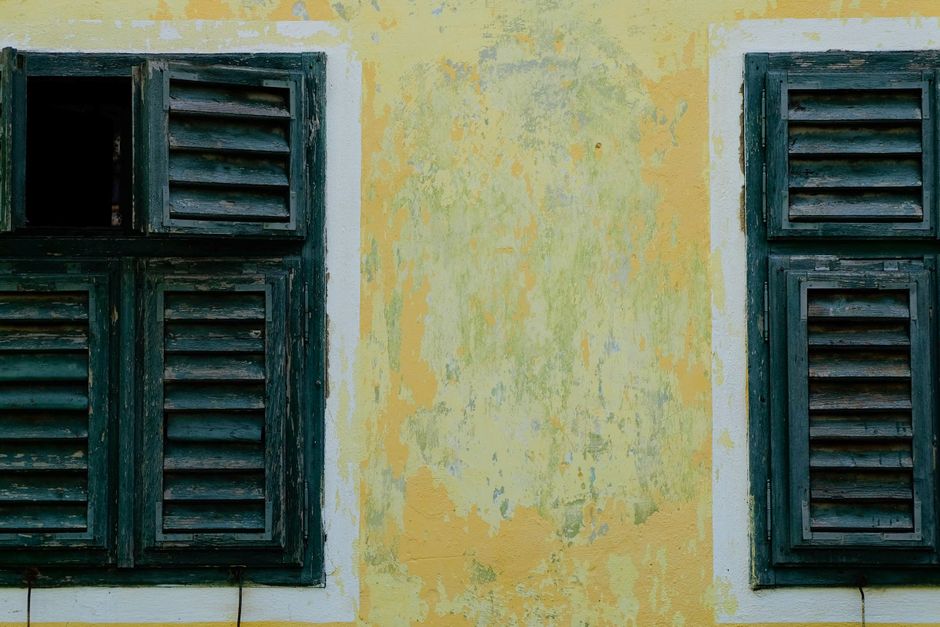
Mechanical fasteners require specific placement to avoid surface failure. A screw or nail must sit below the plane of the substrate. Driving a fastener too shallow leaves the head exposed. Driving it too deep creates a void that requires heavy spackle. The goal is a shallow depression that allows for a smooth transition. This prevents the texture of the metal from showing through the topcoat. A flat surface is the only way to ensure the light reflects evenly across the wall.
Substrate Preparation and Patching

Once the fasteners are set, the surface needs remediation. Using spackle to fill the countersunk holes is the standard procedure. A thin layer prevents the filler from shrinking too much. After the patch dries, sanding is the next requirement. A fine grit sandpaper removes the high spots. This creates a level plane for the primer. Skipping this step leads to visible craters in the final layer. Even a small amount of residue will disrupt the coverage of the subsequent layers.
Primer and Layering Requirements
The primer seals the patched areas to prevent the substrate from absorbing moisture unevenly. Without a proper seal, the patch might swell or shrink. This movement causes the finish to crack. Once the primer is dry, a second layer of paint provides the necessary mil thickness. Most jobs in Santa Monica, CA require at least two coats to achieve a uniform appearance. This ensures the color and the sheen are consistent across the entire surface. A single layer often reveals the patched spots through the pigment.
Achieving the Final Sheen
The final application depends on the desired level of reflection. A satin or semi gloss finish will highlight any imperfections left in the wood or drywall. A flat finish hides more flaws but is harder to clean. If the countersinking was done incorrectly, the error will appear as a shadow in a semi gloss finish. Using a roller with a specific nap helps distribute the paint, but it cannot fix a structural bump in the wall. The mechanical work must be finished before the first drop of paint touches the surface.